Diesel costs for South African fleets. What you can control.
The levies in the price, the monthly adjustment, the diesel refund question and a simple fuel surcharge formula.
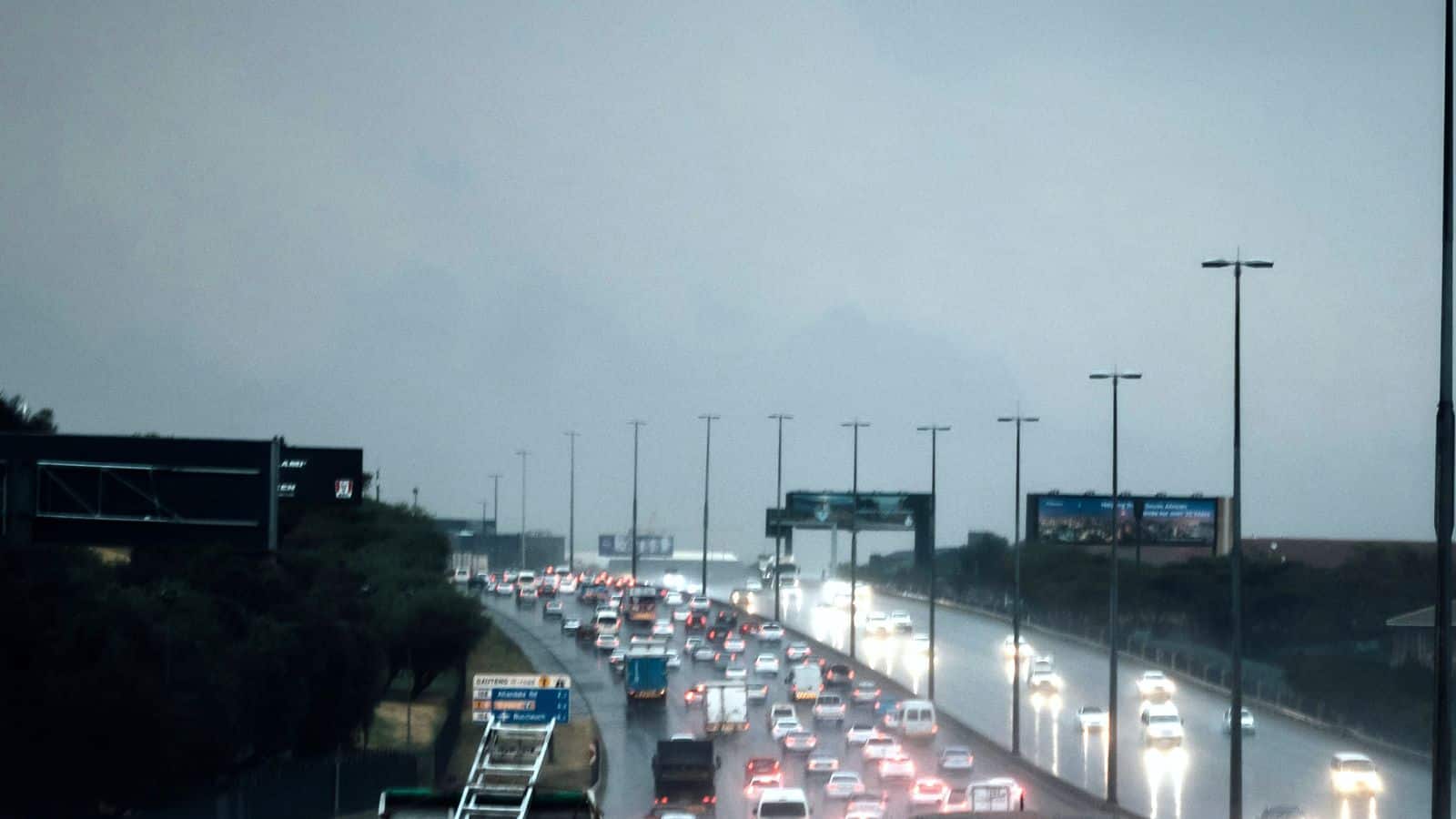
You cannot set the diesel price. You can know exactly what it is, price it into every load, and make sure increases reach your customers rather than your margin.
How the price is set
South Africa's wholesale diesel price is regulated and adjusted once a month, taking effect on the first Wednesday. The Department of Mineral and Petroleum Resources publishes the adjustment a few days before (DMPR).
From 2 September 2026, 50 ppm diesel went up by 314,90 cents a litre and 500 ppm by 293,90 cents (DMPR). That took 50 ppm diesel to R 30,05 a litre inland, with the coastal price a little lower (The Citizen).
What is in a litre
Part of every litre is tax and levies, set in the national budget:
- the general fuel levy on diesel, R 3,93 a litre from 1 April 2026 (SARS)
- the Road Accident Fund levy, 225 cents a litre from 1 April 2026 (Freight News)
- the carbon fuel levy, 23 cents a litre on diesel (SARS)
393 c + 225 c + 23 c = 641 c a litre
Together that is R 6,41 a litre, about 21% of the R 30,05 inland price for 50 ppm diesel in September 2026. That part of the price only changes when the budget changes it, so most of the month-to-month movement comes from the rest: the international product price and the exchange rate.
In 2026 the government cut the general fuel levy for a few months to soften a sharp rise in fuel prices, then brought it back in full from July (National Treasury). Temporary relief like this is another reason to check the price every month rather than assume it.
No diesel refund for road freight
The diesel refund is limited to certain primary and marine activities, rail freight and large power plants. Road freight is not on the list (SARS), so a haulier pays the levies in full and should price them in.
Inland or coastal
Inland diesel costs more because of the cost of moving fuel from the coast. In September 2026, 50 ppm diesel was R 28,79 a litre at the coast against R 30,05 inland, a gap of R 1,26. For 500 ppm the prices were R 28,24 and R 29,11, a gap of 87 cents (The Citizen). If you refuel at both ends of a long route, price each leg at the price you will actually pay.
What a rand a litre does to one truck
Small changes per litre add up quickly over a month. Take one truck running 12 000 km a month at an average of 46 litres per 100 km. These are example inputs, not benchmarks; use your own.
12 000 km × 0,46 L/km = 5 520 L a month
A R 1 a litre move = R 5 520 a month for that truck
September 2026 rise of 314,90 c: 5 520 L × R 3,149 = R 17 382,48 a month
Multiply by the number of trucks you run. If your rates did not move in September, that is roughly what came off your margin, per truck, every month until they do.
How to read the monthly announcement
The department adjusts fuel prices on the first Wednesday of the month (DMPR) and publishes a media statement a few days before. The September 2026 statement, for example, was issued on Monday 31 August for prices effective 2 September (DMPR).
The adjustment is worked out from the gap between the international cost of fuel and the cost built into the current price. The Central Energy Fund calculates it daily for the department. When the international basic fuel price is higher than the one in the price structure, there is an under-recovery: buyers are paying too little that day. When it is lower, there is an over-recovery. The daily figures are averaged over the review period to give the next month's adjustment (SAnews), so the price you pay reflects roughly the previous month's oil prices and exchange rate (DMPR). A slate levy balances the accumulated over- and under-recoveries over time; in September 2026 it added 83,28 cents a litre (DMPR).
Three things to read in each statement:
- The right grade. Diesel is listed as 0,05% sulphur (500 ppm) and 0,005% sulphur (50 ppm), and they move by different amounts. Use the grade your trucks actually run on.
- The cents per litre change. Multiply it by your monthly litres to see the effect before it hits.
- The reasons. Oil prices, the exchange rate and any levy changes tell you whether a move is likely to reverse or last.
Mid-month estimates in the press are based on the daily figures and can change until the department announces the official adjustment. Plan with them, but reprice on the official number.
Pass increases on with a fuel clause
For contracts that run longer than a month, agree how the rate follows diesel before the first load. A workable clause names five things:
- Base price. The diesel price the rate was built on, for example the 50 ppm price in the month the contract was signed.
- Reference price. A public source both sides can check: the DMPR price for 50 ppm diesel, inland or coastal, whichever matches where you fill up (DMPR).
- Fuel share. The part of the rate that is diesel, from your own cost per kilometre.
- Review date and threshold. When the adjustment is applied (each month after the DMPR change, for example) and how big a move triggers it, so small changes do not mean a new rate every month.
- Both directions. The rate goes down when diesel falls past the threshold, too. Customers accept a clause more easily when it is fair both ways.
Then adjust the rate when diesel moves:
Surcharge = (this month's price − base price) ÷ base price × fuel share of the rate
Example: if the agreed base was R 26,90 a litre and fuel is 40% of the rate, then at R 30,05 the surcharge is (30,05 − 26,90) ÷ 26,90 × 40% = 4,7%. The inputs are illustrative; use the base price and fuel share you agree with your customer, and put the formula in writing.
What you can control
- Measure consumption per truck from fuel slips or tracking, and look at the worst truck first.
- Price the empty kilometres. A return leg with no load still burns diesel.
- Give every quote a validity date that ends before the next adjustment, or include the fuel clause.
- Keep fuel receipts per truck and per trip, so your cost per kilometre comes from facts.
Diesel is one line in the cost per kilometre. To see how each month's price flows into a load price, read the worked quote.
Questions people ask
When does the diesel price change in South Africa?
The regulated wholesale price is adjusted once a month and takes effect on the first Wednesday. The Department of Mineral and Petroleum Resources announces the adjustment a few days before.
Can a road freight business claim the diesel refund?
No. The diesel refund is limited to certain primary and marine activities, rail freight and large power plants. Road freight is not on the list, so price the full pump price.
How do I work out a fuel surcharge?
Agree a base diesel price and the fuel share of the rate. The surcharge is this month's price minus the base price, divided by the base price, times the fuel share. Put the formula in the contract.
Sources
- DMPR media statement: fuel price adjustments effective 2 September 2026
- DMPR: fuel prices (monthly price documents)
- The Citizen, 31 Aug 2026: petrol and diesel prices for September
- SARS: Budget 2026 frequently asked questions (fuel levies)
- Freight News: Road Accident Fund levy amendments
- National Treasury, 28 Apr 2026: extension of short-term fuel price relief
- SARS: diesel refund system
- DMPR: fuel price structure
- SAnews, 1 Apr 2026: how the basic fuel price is calculated
Figures checked on 1 Oct 2026. Prices, tariffs and rates change; check the source before you rely on a figure. This article is not tax, legal or financial advice.